
PlusERP vs Tally vs Zoho Books: Which Accounting Software Should Your Indian Business Choose in 2026?
If you're comparing accounting software for your business, chances are you've already shortlisted the two names everyone mentions — Tally and Zoho Books — and you're now wondering where an industry-focused platform like PlusERP actually fits in.
This isn't a "which one is universally best" comparison, because there isn't one. The right answer depends on whether you need desktop-first simplicity, cloud-first flexibility, or industry-specific workflows (textile, diamond, manufacturing) that generic accounting tools weren't built for. Below, we break down deployment, GST compliance depth, and real-world fit so you can match the software to your business — not the other way around.

Quick Comparison: PlusERP vs Tally vs Zoho Books
Factor | PlusERP | TallyPrime | Zoho Books |
Deployment | Cloud, on-premise, or hybrid | Primarily desktop (cloud add-on available) | Cloud-only |
Pricing model | Modules + user count; one-time or subscription options | One-time licence (Silver/Gold) + annual renewal for updates | Free tier + tiered monthly/annual subscriptions |
GST/e-invoicing/e-way bill | Built-in | Built-in, updated frequently | Built-in (registered GST Suvidha Provider) |
Industry-specific modules | Textile, embroidery, diamond/jewellery, manufacturing | Generic, add-ons via partners | Generic, add-ons via Zoho ecosystem |
Inventory & production tracking | Deep (job cards, weaving, polishing stages) | Basic to moderate | Basic (batch/serial tracking on higher plans) |
Local support | Surat/Gujarat-based team | Nationwide via authorised partners | Ticket/chat-based, partner network for implementation |
Multi-GSTIN handling | Supported | Supported (multi-company) | Supported from mid-tier plans upward |
Best suited for | Textile mills, diamond traders, manufacturers, multi-module ERP needs | Traditional SMEs wanting proven, offline-first billing | Digitally-native, remote-first, service or trading businesses |
Pricing structures change frequently for all three products, so we've deliberately left figures out of this comparison. Request current pricing directly — talk to PlusERP or check Tally's and Zoho's official pricing pages — before making a decision.
TallyPrime: The Familiar Default
TallyPrime is the software most Indian accountants trained on, and that familiarity is its biggest strength. It's fast, keyboard-driven, and has one of the best track records for staying current with GST rule changes — often rolling out compliance updates within days of a government notification.
Pricing model: Tally is sold as a one-time licence (with separate tiers for single-user and multi-user access), plus an optional but practically necessary annual renewal to keep receiving statutory and compliance updates. Monthly rental options also exist for businesses that don't want the upfront cost.
Where it holds up: Core bookkeeping, GST filing, inventory basics, and offline reliability — it works even without internet access, which matters in areas with patchy connectivity.
Where it falls short: Tally remains desktop-first at its core. Remote, multi-location access typically means additional cloud-hosting costs layered on top of the licence. It also has limited native support for industry-specific processes like job-card-based production tracking, which textile and diamond units often end up managing outside the software entirely.
Zoho Books: The Cloud-Native Contender
Zoho Books is the strongest option if your business is comfortable being fully cloud-based and you want accounting connected to a broader software suite (CRM, inventory, payroll under one vendor).
Pricing model: Zoho Books offers a genuinely free tier for very small businesses below a defined turnover threshold (one user plus one accountant login), with several paid subscription tiers above that, scaling by GSTIN count, user seats, and automation features. Additional users are billed per seat.
Where it holds up: Multi-device access, clean interface, automated bank feeds, and being a registered GST Suvidha Provider means GSTR-1/3B filing happens directly inside the platform.
Where it falls short: As you move up plans, the cost compounds with per-user add-ons, and features like multiple GSTINs or advanced inventory are locked behind higher tiers. It's also a generic accounting tool — production-floor tracking, embroidery job assignments, or diamond grading/polishing stage tracking aren't part of its design brief, so businesses in these sectors still need workarounds or third-party add-ons.
PlusERP: Built Around Indian Industry Workflows
PlusERP takes a different starting point: instead of being general-purpose accounting software with GST bolted on, it's built as an integrated ERP for the sectors Digital Dreams Infotech has served for over two decades — textile and embroidery units, diamond traders and manufacturers, wholesalers, and multi-location retail and manufacturing SMEs.
Deployment flexibility: PlusERP is offered as cloud, on-premise, or hybrid — a meaningful difference for businesses that want the reliability of local data control alongside remote access, rather than being forced into an all-cloud or all-desktop model.
Industry depth: Where Tally and Zoho Books treat inventory as SKUs and stock counts, PlusERP is built to track process-level detail — fabric production stages, weaving and embroidery job cards, diamond grading and polishing workflows — alongside standard accounting, GST billing, and inventory in one system.
GST and compliance: Automated GST calculations, e-invoicing, e-way bill generation, and GSTR-1/GSTR-3B preparation are built in, with input tax credit reconciliation tied directly to the accounting and inventory modules rather than run as a separate step.
Pricing model: Instead of a fixed tier structure, PlusERP is priced on modules and user count, with both one-time and subscription options available — useful for businesses that want to avoid recurring SaaS costs but don't want to overpay for modules they'll never use. Request a customised quote based on your specific requirements.
Support: A Surat/Gujarat-based support team handling onboarding directly, rather than routing every implementation question through a ticketing queue — a real advantage during the first few months of migration, when most support requests happen.
The honest trade-off: PlusERP's biggest strength — deep, sector-specific customisation — means it's a better fit for businesses that actually need that depth. A freelancer or small service business with simple invoicing needs will likely find Zoho Books' free plan or Tally's entry-level licence more than sufficient; the industry-specific modules in PlusERP won't add value if your operations don't require them.
Which One Fits Your Business?
Choose TallyPrime if: you want proven, offline-reliable billing and your team is already trained on it, and your operations don't require deep production or process tracking beyond standard inventory.
Choose Zoho Books if: you're a service-based, trading, or e-commerce business that's comfortable being fully cloud-based, want a modern interface, and your GST needs fit within a single or a few GSTINs.
Choose PlusERP if: you run a textile, embroidery, diamond, or manufacturing business where production-stage tracking matters as much as billing, you want deployment flexibility (cloud, on-premise, or hybrid), or you're managing multiple locations and want accounting, inventory, and operations in one integrated system rather than stitched together from separate tools.
Total Cost of Ownership: Look Beyond the Sticker Price
A common mistake is comparing only the headline monthly or licence price. Before deciding, factor in:
Per-user costs — cloud tools typically add a per-seat fee as your team grows; desktop licences usually jump in price between single-user and multi-user tiers.
Renewal/subscription costs — confirm what happens to your compliance updates (GST rule changes, new return formats) if you skip a renewal cycle on any platform.
Implementation and migration — moving historical data, mapping chart of accounts, and staff training all take time regardless of which platform you choose. Factor this into your evaluation, not just the software cost.
Add-ons you'll actually need — cloud hosting for Tally, higher-tier plans for Zoho's multi-GSTIN or inventory features, or specific modules for PlusERP.
Frequently Asked Questions
Is PlusERP a replacement for Tally, or does it work alongside it? PlusERP is designed as a full replacement — it includes GST-compliant accounting and billing alongside inventory and production tracking, so businesses typically migrate fully rather than running both in parallel.
Can I switch from Tally or Zoho Books to PlusERP without losing my historical data? Data migration support is part of the onboarding process; the practical timeline depends on how much historical data needs to be mapped and validated, so it's worth discussing your specific data volume during a demo.
Is Zoho Books or Tally cheaper for a small textile business? Entry-level Tally and Zoho Books plans are generally lower-cost upfront. But neither includes job-card or production-stage tracking natively, so textile businesses often end up paying for a second tool or spreadsheet workaround to fill that gap — which should be factored into a true cost comparison, not just the sticker price.
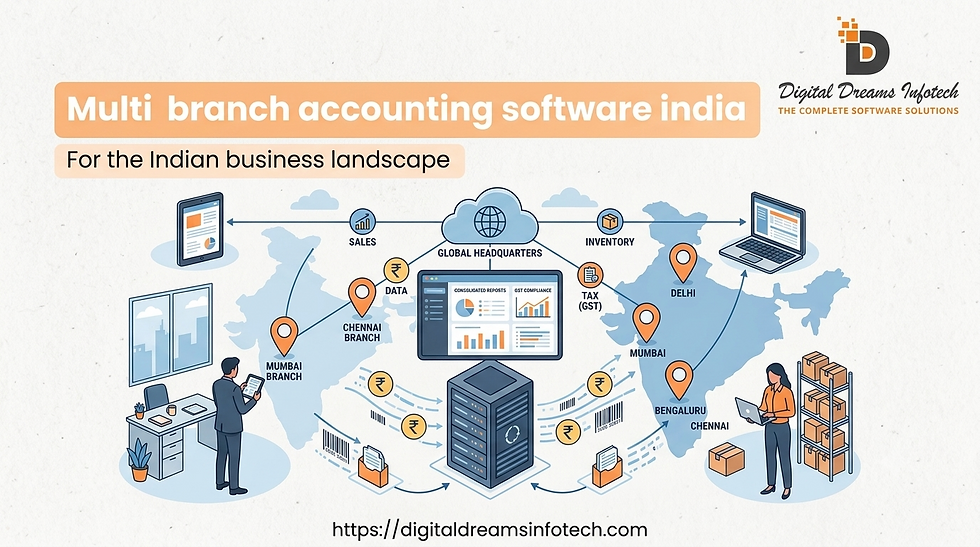
Does PlusERP support multi-location businesses? Yes — deployment options include cloud and hybrid setups built for businesses operating across multiple branches or locations, not just single-site operations.
Which is best for GST e-invoicing and e-way bill compliance? All three — PlusERP, TallyPrime, and Zoho Books — support GST e-invoicing and e-way bill generation natively as of 2026. The differentiator isn't whether the feature exists, but how tightly it's integrated with your existing inventory and production data.
Still deciding between running your business on generic accounting software versus an ERP built for your industry? Book a free PlusERP demo and see how it handles your actual production and billing workflow — not just a sample dataset.


Comments