
Why Indian Businesses Need Localised Inventory Software: A Complete Guide
Managing inventory efficiently is a critical challenge for many businesses, especially small and medium enterprises (SMEs) in India. Whether you operate in textiles, diamonds, retail, or manufacturing, the right inventory software can transform your operations. It helps you track stock, reduce errors, and improve customer satisfaction. In this post, I will share insights on why localized inventory solutions matter and how they can drive growth for Indian SMEs.
Why Localized Inventory Solutions Matter in India
India’s business environment is unique. Diverse languages, regional tax laws, and varying supply chain dynamics require software tailored to local needs. Generic global inventory systems often miss these nuances, leading to inefficiencies.
For example, GST compliance is a major concern for Indian businesses. A localized inventory solution integrates GST rules seamlessly, helping you avoid costly penalties. It also supports multiple languages and regional settings, making it easier for your staff to use.
Moreover, Indian SMEs often deal with complex supply chains. Textile manufacturers may source raw materials from different states, while diamond traders handle high-value, small-sized inventory. Localized software adapts to these specific workflows, offering features like batch tracking, expiry management, and real-time stock updates.
By choosing a solution designed for India, you gain:
Better compliance with tax and regulatory requirements
Improved accuracy in stock management
Enhanced user experience for local teams
Faster decision-making with relevant data insights

Key Features of Effective Localized Inventory Solutions
When selecting inventory software, look for features that address your business’s unique challenges. Here are some essentials:
1. GST-Ready Billing and Reporting
The software should automatically calculate GST on purchases and sales. It must generate reports compatible with government filing systems. This reduces manual work and errors.
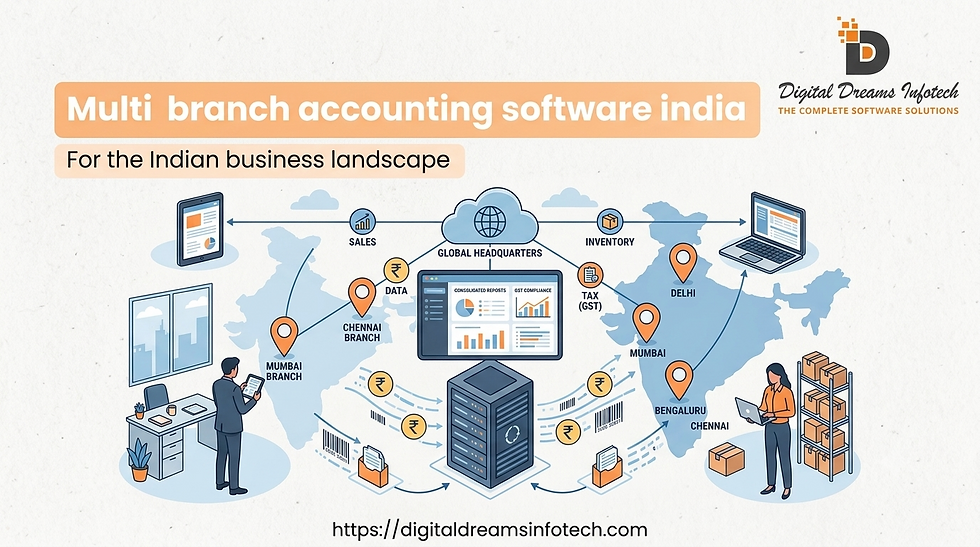
2. Multi-Location and Multi-Store Management
If you operate across cities or states, your software should track inventory at each location. This helps optimize stock levels and reduces overstocking or stockouts.
3. Batch and Expiry Tracking
For textiles and manufacturing, tracking batches ensures quality control. For retail, expiry tracking prevents losses from unsold perishable goods.
4. Barcode and QR Code Integration
Automating stock updates with barcode scanning speeds up processes and minimizes mistakes.
5. Cloud-Based Access
Cloud solutions allow you to access inventory data anytime, anywhere. This is crucial for businesses with multiple branches or remote teams.
6. User-Friendly Interface
A simple, intuitive interface reduces training time and increases adoption among staff.
7. Integration with Accounting and ERP Systems
Seamless integration helps synchronize inventory with financial data, improving overall business management.
By focusing on these features, you ensure your inventory software supports your growth and operational efficiency.
How Inventory Software Supports Growth in Textile and Diamond Industries
The textile and diamond sectors have distinct inventory needs. Let’s explore how localized inventory solutions cater to these industries.
Textile Industry
Textile businesses handle large volumes of raw materials, semi-finished goods, and finished products. Inventory software helps by:
Tracking fabric rolls, yarns, and accessories by batch and supplier
Managing production stages and work-in-progress inventory
Monitoring stock levels to avoid production delays
Generating GST-compliant invoices for buyers and suppliers
For example, a textile SME in Surat can use software to track fabric batches from different suppliers, ensuring quality and timely delivery. This reduces wastage and improves customer satisfaction.
Diamond Industry
Diamonds require precise inventory control due to their high value and small size. Inventory software assists by:
Recording detailed information about each stone, including carat, cut, and clarity
Tracking movement between warehouses, showrooms, and clients
Managing secure storage and insurance documentation
Providing real-time stock visibility to prevent theft or loss
A diamond trader in Mumbai can benefit from software that updates inventory instantly after each transaction, ensuring accurate records and compliance with regulations.

Choosing the Right Inventory Software Partner
Selecting the right software provider is as important as the software itself. Look for a partner who understands Indian SMEs and their challenges. They should offer:
Customizable solutions tailored to your industry
Reliable customer support with local language options
Training and onboarding assistance
Regular updates to comply with changing regulations
Cloud-based platforms for flexibility and scalability
One such provider is Digital Dreams Infotech, which specializes in smart, cloud-based ERP and accounting software for Indian SMEs. Their solutions help automate operations, ensure GST compliance, and support growth in textile and diamond sectors.
Practical Tips for Implementing Inventory Software Successfully
Implementing new software can be daunting. Here are some practical tips to ensure a smooth transition:
Assess Your Needs Clearly
Identify your inventory challenges and prioritize features accordingly.
Involve Your Team Early
Engage staff who will use the software to gather feedback and encourage buy-in.
Plan Data Migration Carefully
Clean and organize existing inventory data before importing it into the new system.
Train Users Thoroughly
Provide hands-on training sessions and easy-to-access resources.
Start with a Pilot Phase
Test the software in one department or location before full rollout.
Monitor and Adjust
Track performance and gather user feedback to make necessary adjustments.
Leverage Support Services
Use vendor support for troubleshooting and optimization.
By following these steps, you can maximize the benefits of your inventory software and minimize disruptions.
Embracing Technology for Future-Ready Inventory Management
The Indian market is evolving rapidly. SMEs that adopt localized inventory solutions position themselves for long-term success. Cloud-based software, mobile access, and AI-driven analytics are becoming standard features that enhance inventory accuracy and forecasting.
Investing in the right inventory management software is not just about tracking stock. It’s about gaining control, improving efficiency, and enabling growth. With the right tools, you can reduce costs, improve customer satisfaction, and stay ahead of competition.
If you want to explore options tailored for Indian SMEs, consider solutions like those offered by Digital Dreams Infotech. Their expertise in textile and diamond industries makes them a trusted partner for businesses aiming to automate operations and achieve significant growth.
By focusing on localized inventory solutions, Indian SMEs can overcome operational challenges and unlock new opportunities. The right software is a strategic investment that pays off in accuracy, compliance, and business agility. Start your journey today and watch your business thrive.


Comments