
Benefits of Cloud ERP Solutions for Indian Markets
Updated: Jan 13
In today's fast-evolving business landscape, Indian SMEs in sectors like textile, diamond, retail, and manufacturing face unique challenges. Managing operations efficiently, staying compliant with GST regulations, and scaling up quickly are critical for success. This is where cloud-based ERP systems come into play. These systems offer a powerful way to streamline processes, reduce costs, and enhance decision-making. As someone deeply involved in helping businesses adopt technology, I see firsthand how cloud ERP transforms operations and drives growth.
Why Indian SMEs Need Cloud-Based ERP Systems
Indian SMEs often operate with limited resources and face intense competition. Traditional software solutions can be expensive, complex, and inflexible. Cloud-based ERP systems provide a practical alternative by offering:
Cost-effectiveness: No need for heavy upfront investments in hardware or software licenses.
Scalability: Easily adjust resources as your business grows or during peak seasons.
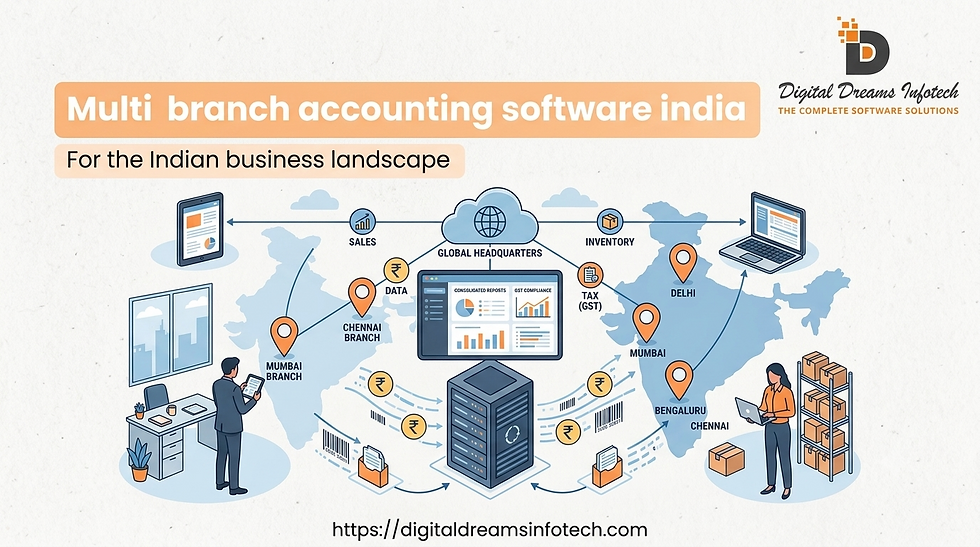
Accessibility: Access your data anytime, anywhere, which is crucial for businesses with multiple locations or remote teams.
Real-time insights: Make informed decisions with up-to-date information on inventory, sales, and finances.
For example, a textile manufacturer in Surat can use cloud ERP to track raw material inventory, monitor production schedules, and manage orders from different buyers seamlessly. This reduces delays and errors, improving customer satisfaction.

Key Features of Cloud-Based ERP Systems for Indian Markets
Cloud-based ERP systems come with features tailored to the needs of Indian SMEs, especially in sectors like diamond and retail. Some of the most valuable features include:
GST Compliance and Tax Automation
Indian tax laws are complex and frequently updated. Cloud ERP systems automate GST calculations, filing, and reporting, reducing errors and saving time.
Inventory and Supply Chain Management
Efficient inventory control is vital for manufacturing and retail businesses. Cloud ERP tracks stock levels, manages reorder points, and optimizes supply chains.
Financial Management and Accounting
Integrated accounting modules help maintain accurate books, generate financial reports, and manage cash flow effectively.
Sales and Customer Relationship Management (CRM)
Track leads, manage customer data, and analyze sales trends to boost revenue.
Mobile Access and User-Friendly Interface
Many cloud ERP solutions offer mobile apps, enabling managers and staff to access critical data on the go.
For instance, a diamond trader in Mumbai can use cloud ERP to monitor inventory across multiple warehouses, track sales orders, and ensure compliance with tax regulations, all from a single platform.

Is Azure Cloud ERP?
Azure Cloud ERP refers to ERP solutions hosted on Microsoft Azure, a leading cloud platform. Many Indian SMEs benefit from Azure-based ERP because it offers:
Robust security: Azure provides enterprise-grade security features to protect sensitive business data.
High availability: Azure’s global data centers ensure minimal downtime and fast access.
Integration capabilities: Easily connect ERP with other Microsoft products like Office 365 and Power BI for enhanced productivity.
Customization and flexibility: Azure supports various ERP software vendors, allowing businesses to choose solutions that fit their specific needs.
For example, a manufacturing company in Pune can deploy an Azure-based ERP system to integrate production data with financial reporting, enabling better resource planning and cost control.

How Cloud ERP Solutions Drive Growth in Indian SMEs
Adopting cloud ERP solutions can be a game-changer for Indian SMEs aiming for growth. Here’s how:
Automation of routine tasks: Reduces manual errors and frees up staff to focus on strategic activities.
Improved collaboration: Cloud access allows teams across locations to work together seamlessly.
Data-driven decision-making: Real-time analytics help identify trends and opportunities quickly.
Cost savings: Lower IT maintenance costs and pay-as-you-go pricing models improve cash flow.
Faster implementation: Cloud ERP can be deployed quickly compared to traditional systems, accelerating time to value.
For example, a retail chain in Delhi can use cloud ERP to manage multiple stores, track sales performance, and optimize inventory replenishment, leading to increased profitability.
Choosing the Right Cloud ERP Partner in India
Selecting the right partner is crucial for a successful cloud ERP implementation. Look for providers who:
Understand the specific needs of Indian SMEs, especially in textile and diamond sectors.
Offer solutions that ensure GST compliance and integrate accounting seamlessly.
Provide ongoing support and training to maximize system adoption.
Have a proven track record of delivering scalable and secure cloud ERP systems.
I recommend exploring cloud erp solutions from trusted providers who specialize in Indian market requirements. Their expertise can help you automate operations, stay compliant, and achieve significant growth.
Embracing cloud-based ERP systems is no longer optional but essential for Indian SMEs aiming to thrive in a competitive environment. By leveraging these technologies, businesses can streamline operations, reduce costs, and unlock new growth opportunities. The future belongs to those who adapt quickly and smartly - and cloud ERP is a powerful tool to get there.


Comments