
Simplify Financial Tasks with Accounting Software
Updated: Jan 13
Managing finances is a critical part of running any business, especially for small and medium enterprises in sectors like textile, diamond, retail, and manufacturing. The complexity of financial operations, compliance requirements, and the need for timely insights can overwhelm even the most experienced business owners. Fortunately, financial management software offers a practical solution to streamline these tasks, reduce errors, and save valuable time.
In this post, I will share how adopting the right financial management software can transform your business operations. I will also explain the different types of software available and provide actionable tips to help you choose the best fit for your needs.
Why Financial Management Software Matters for Your Business
Financial management software is designed to automate and simplify the handling of your company’s financial data. It helps you track income, expenses, taxes, and cash flow with ease. For businesses in India, especially those in textile and diamond industries, staying GST-compliant is crucial. This software ensures that your tax calculations and filings are accurate and timely.
Using financial management software means you no longer have to rely on manual spreadsheets or paper records. This reduces the risk of human error and makes your financial data more reliable. For example, automated invoicing and payment reminders can improve your cash flow by ensuring customers pay on time.
Moreover, these tools provide real-time reports and dashboards. This means you can quickly assess your business’s financial health and make informed decisions. Whether you want to plan for expansion, manage inventory, or control costs, having accurate financial data at your fingertips is invaluable.

How Financial Management Software Supports Growth and Compliance
One of the biggest challenges for SMEs is balancing growth with compliance. As your business expands, financial transactions increase in volume and complexity. Without proper systems, it becomes difficult to maintain accuracy and meet regulatory requirements.
Financial management software helps by automating GST calculations and generating compliance reports. This reduces the burden on your accounting team and minimizes the risk of penalties. For instance, the software can automatically apply the correct GST rates for different products, such as textiles or diamonds, which often have varying tax rules.
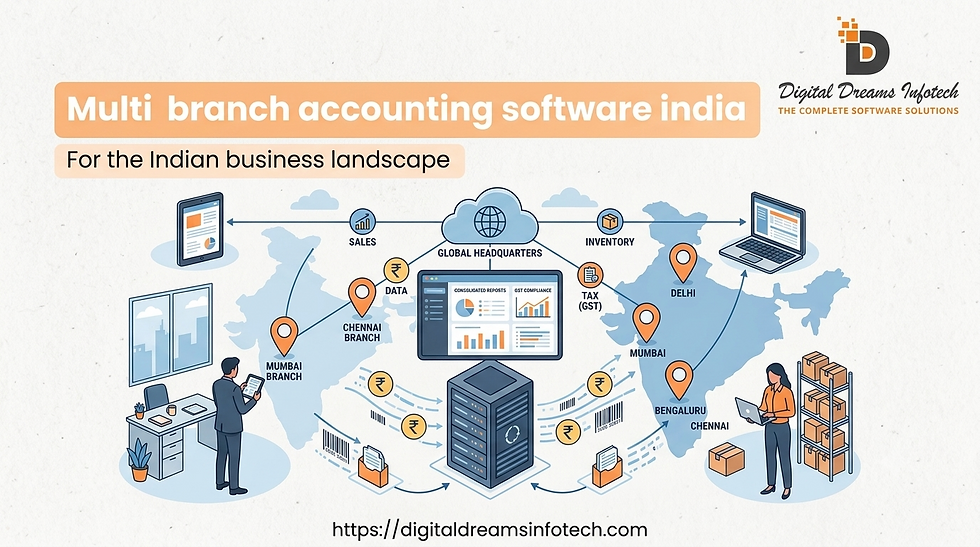
Additionally, cloud-based solutions allow you to access your financial data anytime, anywhere. This flexibility is especially useful for business owners who travel or manage multiple locations. You can monitor sales, expenses, and inventory remotely, ensuring you stay in control even when away from the office.
Another advantage is integration. Many financial management software options can connect with other business tools like inventory management, payroll, and CRM systems. This creates a seamless workflow, reducing duplicate data entry and improving overall efficiency.

What are the three types of accounting software?
Understanding the types of financial management software available helps you choose the right one for your business needs. Generally, there are three main categories:
Basic Accounting Software
This type is suitable for very small businesses or startups. It covers essential functions like invoicing, expense tracking, and basic reporting. It is easy to use but may lack advanced features needed for growing companies.
Comprehensive Financial Management Software
These solutions offer a wider range of features, including inventory management, payroll, tax compliance, and detailed analytics. They are ideal for SMEs that require more control and automation in their financial processes.
Enterprise Resource Planning (ERP) Systems
ERP systems integrate financial management with other core business functions such as supply chain, manufacturing, and customer relations. They are best suited for larger businesses or those with complex operations, like textile manufacturers or diamond traders.
Choosing the right type depends on your business size, industry, and specific requirements. For example, a retail SME might benefit from comprehensive financial management software with strong inventory features, while a diamond business might need ERP capabilities to manage both finances and supply chain.

Practical Tips for Selecting Financial Management Software
Selecting the right financial management software is a critical decision. Here are some practical tips to guide you:
Assess Your Business Needs
List the key financial tasks you want to automate. Consider GST compliance, invoicing, payroll, inventory, and reporting. This will help narrow down software options.
Look for Industry-Specific Features
Some software is tailored for specific industries like textile or diamond. These may include specialized tax rules, inventory tracking, or quality control modules.
Choose Cloud-Based Solutions
Cloud software offers flexibility, automatic updates, and data security. It also supports remote access, which is essential for modern businesses.
Check Integration Capabilities
Ensure the software can integrate with your existing tools, such as CRM or inventory systems. This reduces manual work and improves data accuracy.
Evaluate User Experience
The software should be user-friendly and require minimal training. A complicated system can slow down your team and increase errors.
Consider Support and Training
Reliable customer support and training resources are vital. This ensures you can resolve issues quickly and make the most of the software features.
Review Pricing and Scalability
Compare pricing plans and check if the software can scale as your business grows. Avoid solutions with hidden costs or rigid contracts.
By following these tips, you can select a financial management software that not only simplifies your financial tasks but also supports your business growth.
Embracing Technology for Smarter Financial Management
In today’s competitive market, leveraging technology is no longer optional. Financial management software empowers businesses to operate more efficiently and make smarter decisions. It reduces manual work, improves accuracy, and ensures compliance with tax regulations.
For SMEs in textile, diamond, retail, and manufacturing sectors, adopting such software can be a game-changer. It helps you focus on core business activities while the software handles routine financial tasks. This leads to better cash flow management, timely tax filings, and insightful financial analysis.
If you are ready to take the next step, consider exploring accounting software that is designed specifically for Indian SMEs. These solutions offer cloud-based, GST-compliant features tailored to your industry needs.
Investing in the right financial management software is an investment in your business’s future. It simplifies your financial tasks, supports compliance, and drives growth.

By embracing financial management software, you equip your business with the tools needed to thrive in a dynamic market. Simplify your financial tasks today and unlock new opportunities for growth and success.


Comments