
Key Features of Retail GST Compliance Software for Indian SMEs
Managing a retail business in India today means navigating the complexities of the Goods and Services Tax (GST) system. For small and medium enterprises (SMEs), especially those in textile, diamond, retail, and manufacturing sectors, staying compliant while maintaining smooth operations can be challenging. This is where retail GST compliance software becomes indispensable. It not only simplifies tax management but also integrates seamlessly with daily business processes, helping companies grow efficiently.
In this article, I will walk you through the key features of retail GST compliance software, explaining how these tools can transform your business operations. Whether you are looking to automate invoicing, manage inventory, or generate accurate GST reports, understanding these features will help you choose the right solution.
Understanding Retail GST Compliance Software
Retail GST compliance software is designed to help businesses comply with GST regulations while managing retail operations effectively. It automates tax calculations, generates GST-compliant invoices, and prepares returns, reducing manual errors and saving time.
For example, a textile retailer can use this software to automatically calculate GST on different types of fabrics, apply the correct tax rates, and generate invoices that meet government standards. This reduces the risk of penalties due to incorrect filings and ensures smooth audits.
Some of the core functionalities include:
Automated GST calculations based on product categories
Generation of GST-compliant invoices and bills
Filing of GST returns directly from the software
Real-time tracking of input tax credit (ITC)
Integration with accounting and inventory systems
By using retail GST compliance software, businesses can focus more on growth and customer service rather than worrying about tax compliance.

Essential Features of Retail GST Compliance Software
When selecting retail GST compliance software, it is important to look for features that address your specific business needs. Here are some essential features that every SME should consider:
1. Automated GST Calculation and Invoicing
The software should automatically calculate GST based on the latest tax slabs and product categories. This eliminates manual errors and speeds up billing. It should also generate GST-compliant invoices that include all mandatory details such as GSTIN, HSN codes, and tax breakup.
For instance, a diamond retailer can benefit from automated invoicing that accurately applies different GST rates on polished and unpolished diamonds, ensuring compliance without extra effort.
2. Inventory Management Integration
Effective inventory management is crucial for retail businesses. The software should integrate inventory tracking with GST compliance, updating stock levels in real-time as sales and purchases occur. This helps prevent stockouts and overstocking while maintaining accurate tax records.
3. GST Return Filing and Reconciliation
Filing GST returns can be complex and time-consuming. The software should simplify this process by preparing and submitting returns directly to the GST portal. It should also offer reconciliation features to match purchase and sales data with GST filings, reducing discrepancies.
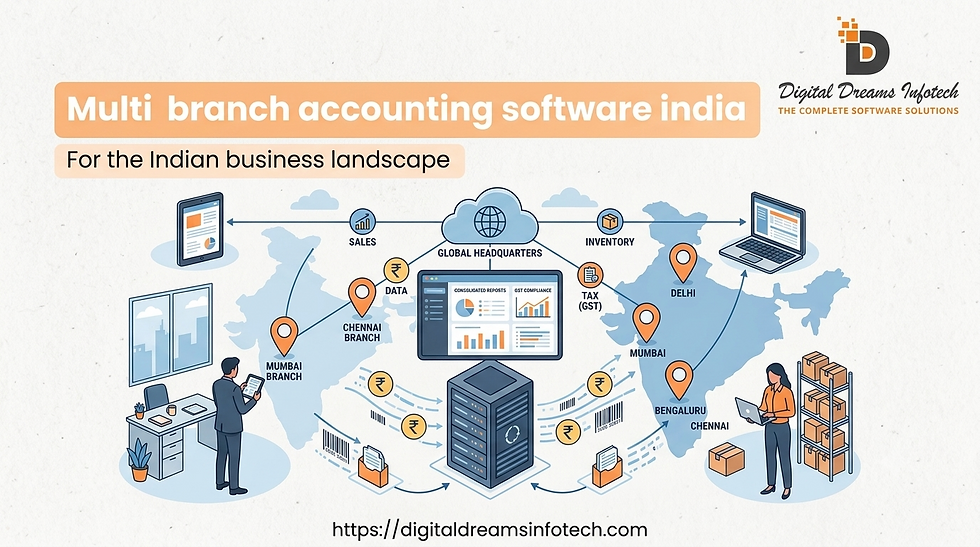
4. Multi-Location and Multi-User Support
For businesses operating in multiple locations or with several users, the software should support centralized management. This allows seamless tracking of GST compliance across branches and enables different users to access relevant data securely.
5. Reporting and Analytics
Detailed reports on sales, purchases, tax liabilities, and input tax credits help businesses make informed decisions. The software should provide customizable reports and dashboards that highlight key metrics related to GST compliance and overall business performance.
6. Cloud-Based Accessibility
Cloud-based software offers flexibility and security. It allows business owners and accountants to access data anytime, anywhere, facilitating remote work and timely decision-making. Cloud solutions also ensure data backup and reduce IT maintenance costs.
How Retail GST Compliance Software Supports Business Growth
Beyond compliance, retail GST compliance software plays a vital role in driving business growth. Here’s how:
Improved Accuracy and Efficiency: Automation reduces errors in tax calculations and invoicing, saving time and avoiding penalties.
Better Cash Flow Management: Real-time tracking of input tax credits and tax liabilities helps manage cash flow effectively.
Enhanced Customer Experience: Faster billing and accurate invoices improve customer satisfaction.
Scalability: As your business grows, the software can handle increased transactions and multiple locations without additional complexity.
Data-Driven Decisions: Analytics and reports provide insights into sales trends, tax liabilities, and inventory, enabling strategic planning.
For example, a manufacturing SME can use the software to monitor raw material purchases and finished goods sales, ensuring GST compliance while optimizing production schedules.

Choosing the Right Retail GST Compliance Software
Selecting the right software requires careful consideration of your business needs and budget. Here are some tips to guide your choice:
Assess Your Business Size and Complexity: Larger businesses with multiple locations may need more advanced features like multi-user access and integration with ERP systems.
Check for Industry-Specific Features: Some software solutions offer modules tailored for textiles, diamonds, or manufacturing, which can simplify compliance.
Evaluate User-Friendliness: The software should be easy to use for your staff, with clear interfaces and helpful support.
Look for Cloud-Based Options: Cloud software offers flexibility and reduces IT overhead.
Verify GST Compliance Updates: Ensure the software provider regularly updates the system to reflect changes in GST laws.
Consider Integration Capabilities: The software should integrate smoothly with your existing accounting, inventory, and billing systems.
By following these guidelines, you can find a solution that not only ensures compliance but also supports your business growth.
Embracing Digital Solutions for GST Compliance
In today’s digital age, relying on manual processes for GST compliance is no longer viable. The right retail GST compliance software can transform your business operations, making tax management simpler and more efficient.
I recommend exploring gst retail software options that offer cloud-based ERP and accounting features tailored for Indian SMEs. These solutions help automate operations, reduce errors, and keep you compliant with GST regulations.
Investing in such software is not just about compliance; it is a strategic move towards digital transformation and sustainable growth.
Moving Forward with Confidence
Adopting retail GST compliance software is a step towards modernizing your business. It empowers you to handle tax complexities with ease, focus on core operations, and plan for expansion.
As you evaluate software options, prioritize features that align with your business model and growth plans. Remember, the right tool will save you time, reduce risks, and provide valuable insights.
By embracing technology, you position your business to thrive in a competitive market while staying fully compliant with GST requirements. The future of retail lies in smart, automated solutions that support every aspect of your operations.


Comments